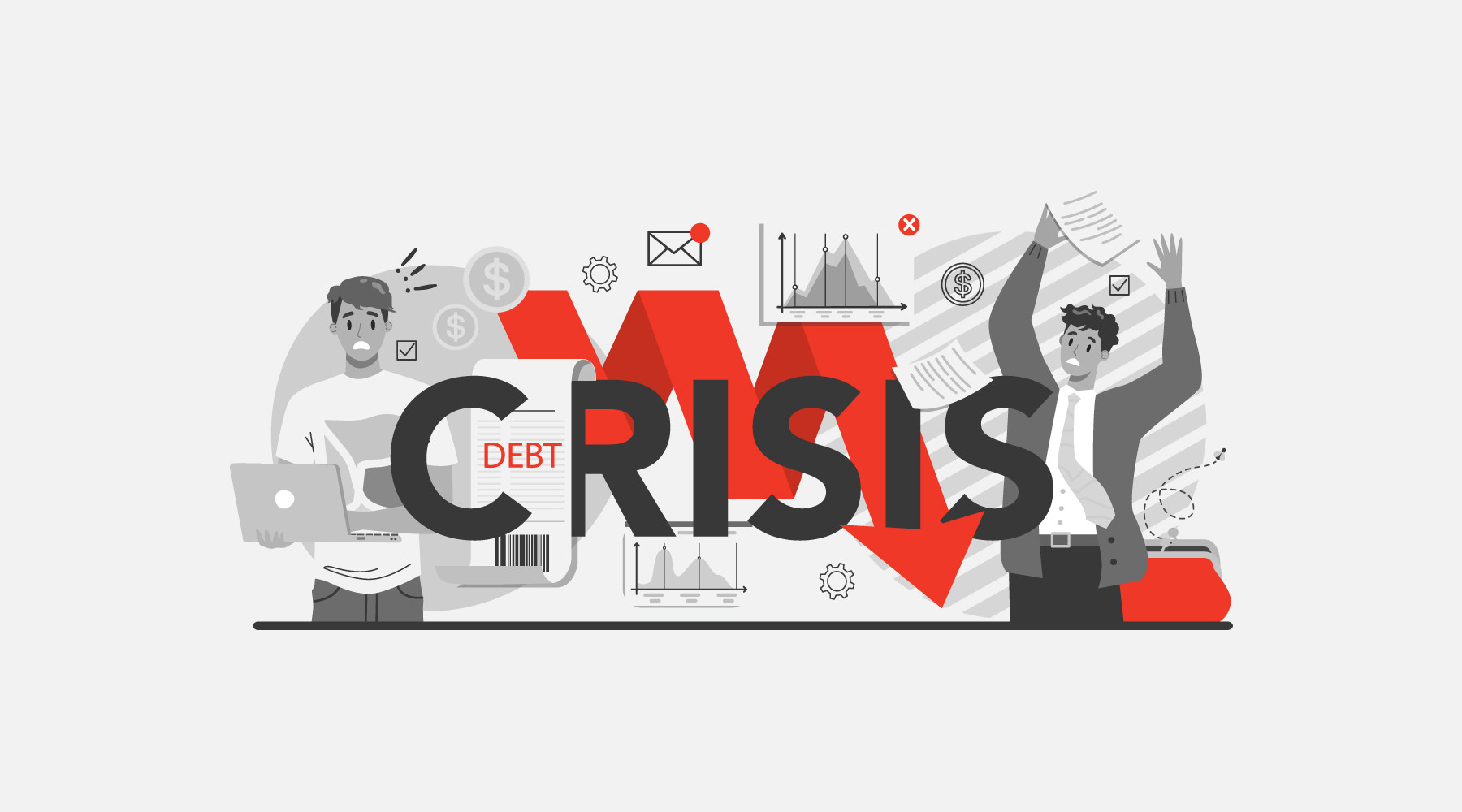
Pandemic, war, business relocation, staff outflow, lack of funding, lack of resources for project implementation and other daily challenges are all crisis phenomena that affect the company’s activities to some way. Therefore, it is necessary to review the plans that were prepared earlier, make operational decisions and constantly monitor the situation on everyday basis. This requires crisis management. Crisis management is aimed at overcoming problems that have already arisen and implementing scenarios to bring the project or company out of the crisis in general. More on the basics of anti-crisis management during the war below.
Predict and prevent
For most companies, assessing the project’s vulnerability to certain situations is a must-have. Crisis management is an end-to-end process in the implementation of each company project. It is especially relevant in the period of protracted global crises, which the war has become. It affects every company, which is why unforeseen circumstances constantly arise during the implementation of even the most well-thought-out and prepared projects.
For large companies, it is considered traditional to constantly develop plans for managing possible risks, which is especially relevant for audit firms. When the worst-case scenario, which the crisis manager considered as potentially possible, occurs, the company already has an action plan and implements it, and if necessary, adapts it to new realities.
It is extremely important to learn about critical points, their causes and possible consequences before starting work on the project. To clarify the circumstances, you should discuss the current state of affairs with all interested parties: find out the expectations after the project is completed and whether they coincide with all members of the group working on it. If there are certain problems at the beginning of the work, it is better to discuss all problematic issues in advance in order to simulate possible risks. For this, you can use the experience of companies from related fields of activity or similar projects in Ukraine or abroad. Each idea must be considered.
How to respond to a crisis
If the crisis has already occurred, it is necessary to determine the priority — what should be taken care of immediately, and what can be dealt with later. It is mandatory to monitor how effective the exit from the crisis is and whether it is happening at all. Perhaps the plan is not effective under the new circumstances and needs a fundamental change or adjustment. There are always external factors from which no one is immune, which was proven first by the pandemic, and then by the full-scale military invasion of the territory of Ukraine.
Companies that are constantly changing and promptly react to external factors cope with crisis phenomena more easily. If the crisis did happen and became an unpleasant surprise, first of all it is necessary to identify the key problems and the available resources to solve them. The next step is detailed planning of work in new conditions to ensure decision-making mechanisms and quick synchronization with the main stakeholders. At this stage, it is important to support the motivation of the team to move further towards the set goal with even greater tenacity. If it was possible to stop the wave of problems, you can proceed to the analysis of the steps taken and the stabilization of the work.
For every company, the primary task is to save long-term projects not to lose profits.
Working with a team
Open and timely vertical and horizontal communication is the key to sustainability in the company’s work. Today, most people work from different offices, regions and even countries, and the situation in the state changes almost every day because of the war. That is why it is necessary to constantly keep in touch with colleagues, to exchange information more often, which will make it possible to quickly respond to all changes.
Business automation tools, online platforms, messengers, and even telephone communication can help ensure team flexibility and timely response to unforeseen situations during wartime.
Daily synchronizations help you quickly solve current small problems and overcome new challenges. Due to the timely communication between project team members, it is possible to detect the difficulties that are just coming up, and take appropriate measures or form a plan to avoid them. Discussion of news from different regions makes it possible to monitor external circumstances, so to speak, from the first mouth. When there is a war in the country, it is imperative.